Self-regulation and Marketing: Aces Up the Sleeve of the Ultra-processed Food Industry
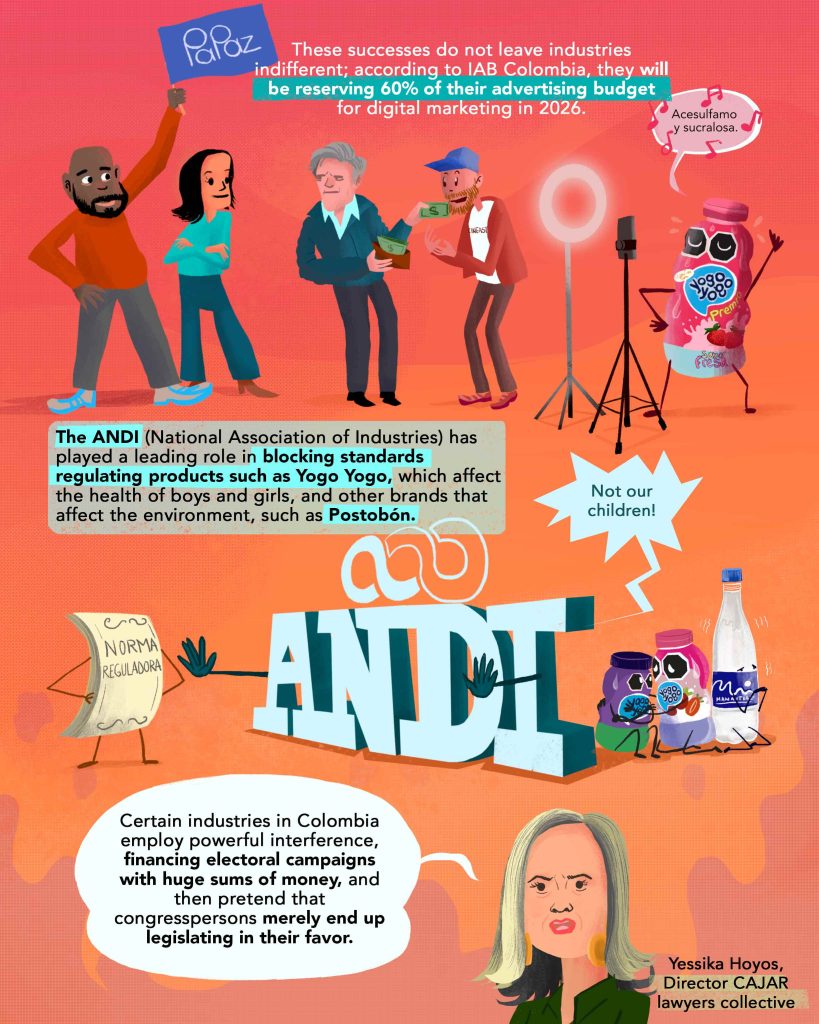
Self-regulation, emotional marketing, and data capture: this is how ultra-processed food giants position themselves as sustainable, while blocking laws that protect children and the environment.
2 de septiembre de 2025
Por: Vorágine / Ilustración: Pavel Molano @botellapavel
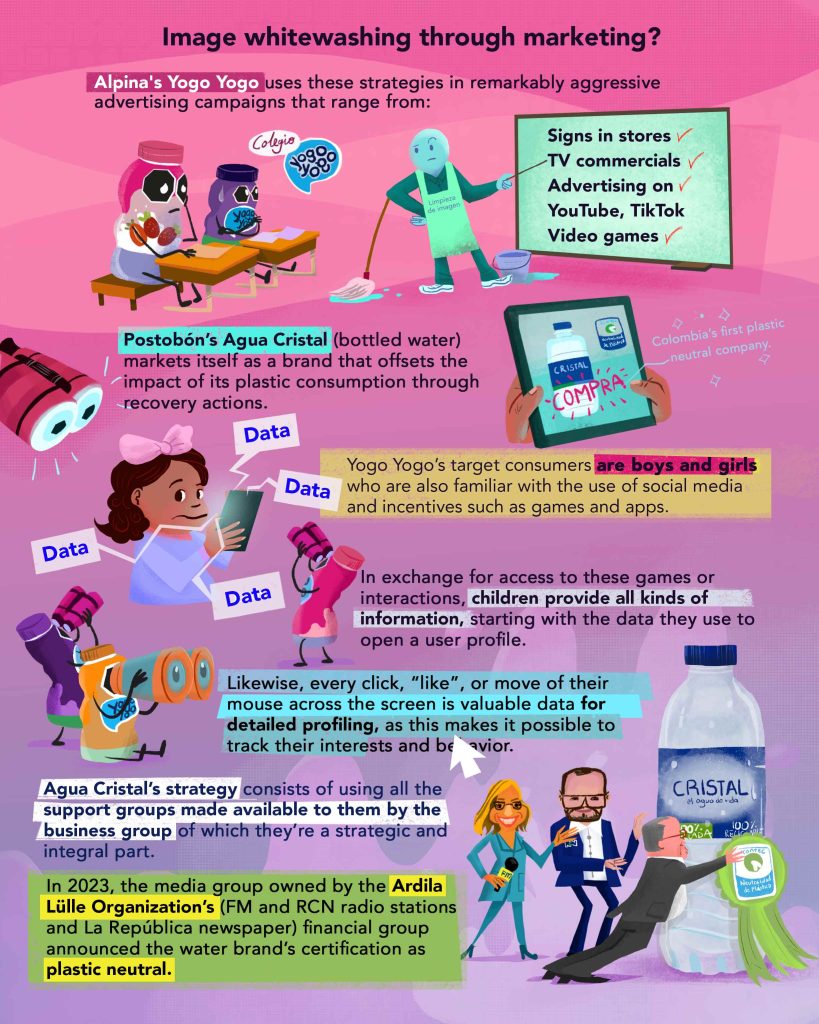
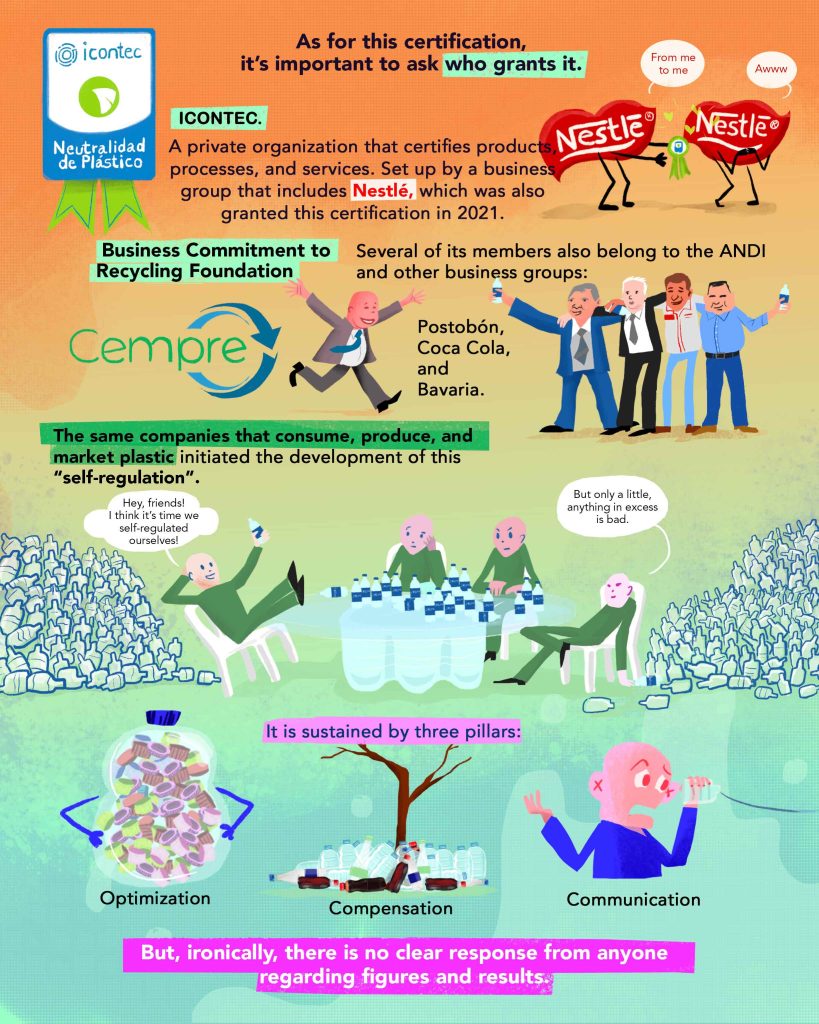
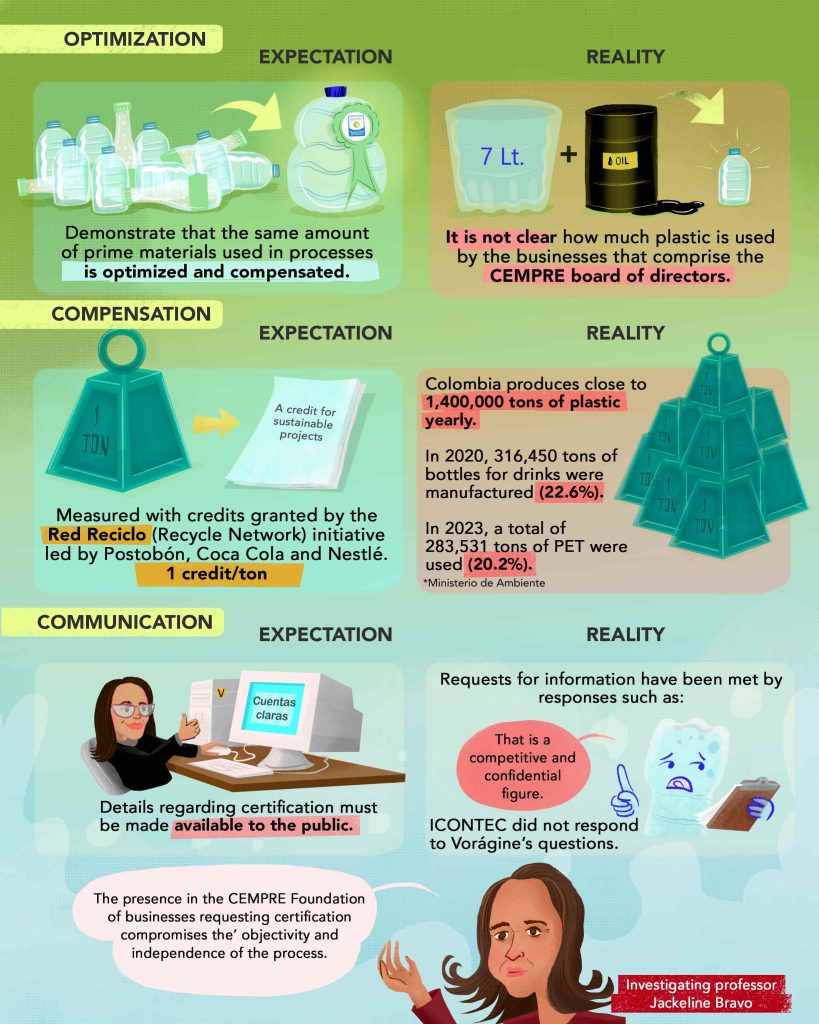
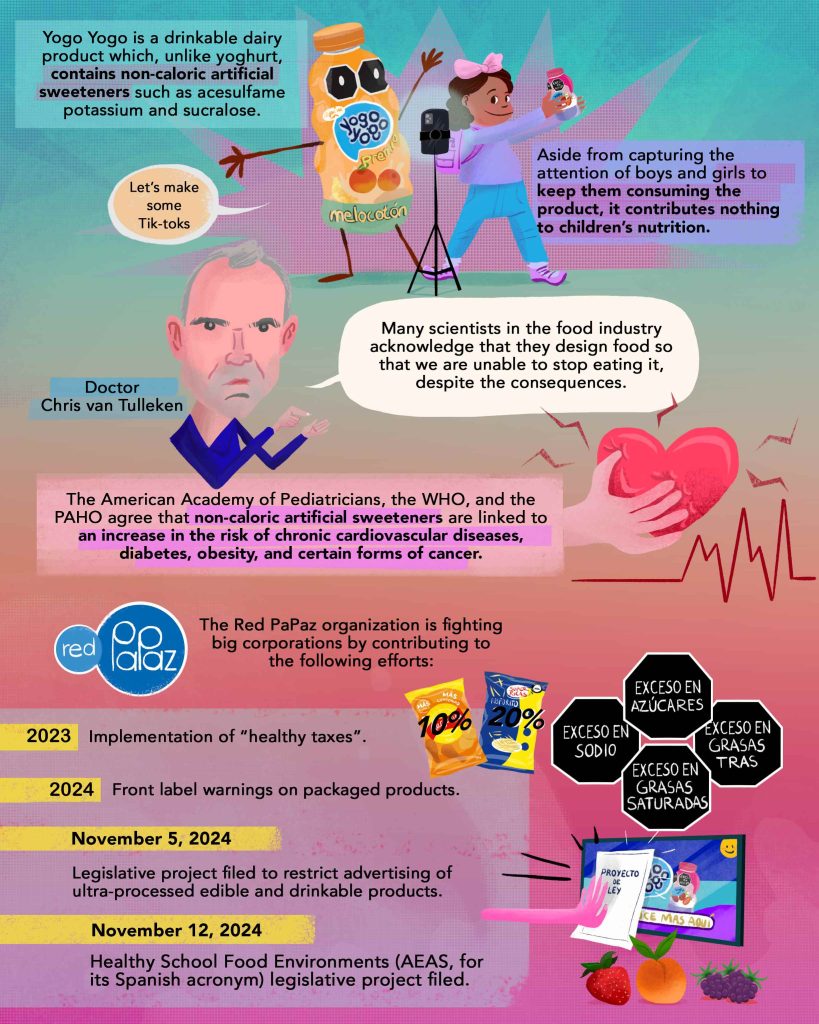
- This content is funded by support provided, in part, by Vital Strategies. Content is editorially independent and its purpose is to shine a light on both the food and beverage industry illegal or unethical practices and the Colombian most vulnerable populations, who disproportionately bear the brunt of the global health crisis resulting from the unhealthy food and beverages consumption. Unless otherwise stated, all statements and materials posted on this article, including any statements regarding specific legislation, reflect the views of the individual contributors and not those of Vital Strategies.

Somos un medio digital independiente que nació el 1 de junio de 2020 para investigar y contar historias relacionadas con la vulneración de los derechos humanos y la corrupción en cualquier nivel, público o privado. Creemos que el periodismo es contrapoder o no puede llamarse periodismo, y le apostamos a las narraciones de largo aliento, las ilustraciones y el cómic periodístico. Si tienes una historia que compartirnos, escríbenos a [email protected]
Artículos Recientes

Ana Lucía Pineda, esposa del presidente, viene de dos familias con conexiones políticas y económicas en Montería. La llegada a la casa Nariño ha influenciado...

El reclutamiento forzado de menores de edad en este departamento del sur colombiano dejó de funcionar bajo la amenaza de las armas. Ahora es una macabra...

Tras 22 días de desaparición, un arriero encontró por accidente el cuerpo abandonado del comunicador de 25 años. VORÁGINE reconstruyó las pistas...

VORÁGINE fue a la finca donde una comunidad denunció una ejecución extrajudicial a manos del Ejército. Un testigo asegura que el hombre fue rematado...